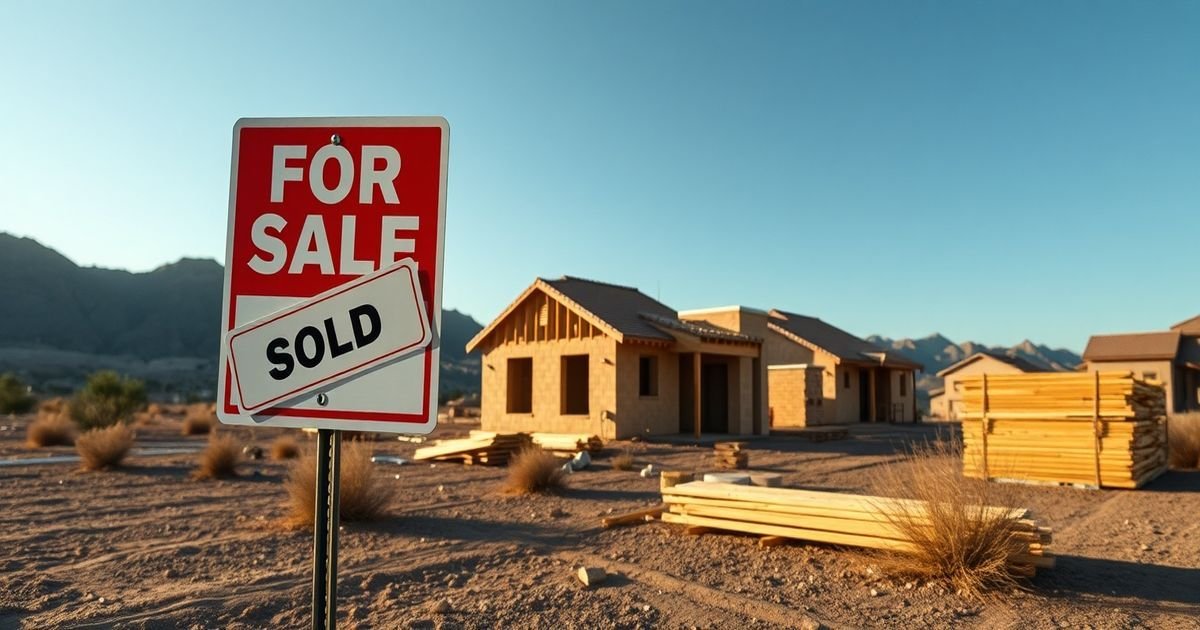
The Phoenix metropolitan area, once a blazing hotbed of rapid appreciation and competitive bidding wars, is now experiencing a significant phoenix housing market correction in 2026. This shift represents a necessary recalibration after years of unsustainable price growth, driven by factors like elevated mortgage rates and shifting buyer demand. Understanding the dynamics of this correction is crucial for anyone involved in Arizona real estate, whether buying, selling, or investing. This article delves into the causes, current indicators, and practical implications of the phoenix housing market correction, providing a clear roadmap for navigating this evolving market. Recognizing this phase isn’t about panic, but about adapting strategies to a more balanced environment.
Understanding the Phoenix Housing Market Correction
A housing market correction occurs when property values decline from recent peaks, typically by 10-20%, signaling a move away from a seller’s market towards greater equilibrium. In Phoenix, this phoenix housing market correction follows an extraordinary period where median home prices surged over 50% in just three years. The current adjustment is primarily a response to the Federal Reserve’s sustained higher interest rates, which have significantly increased the cost of borrowing. As mortgage rates hovered near 7% for much of 2025 and early 2026, buyer purchasing power eroded substantially. This cooling effect, combined with increased housing inventory as construction catches up and some speculative investors exit, has created the conditions for this necessary market reset. It’s a natural part of the real estate cycle, distinct from a crash, aiming for long-term stability.
Key Indicators of the Current Correction
Several concrete signs confirm Phoenix is firmly in a correction phase. Monitoring these helps gauge the market’s trajectory:
- Rising Inventory: Active listings have increased by approximately 35% year-over-year, giving buyers significantly more options and reducing the frenzy seen previously.
- Price Reductions: The median sale price has softened by around 8% from its 2024 peak, with more properties requiring price adjustments to attract offers.
- Longer Days on Market: Homes are staying listed for an average of 45 days, up from just 15 days during the peak, indicating slower sales velocity.
- Fewer Bidding Wars: The percentage of homes selling above asking price has plummeted from over 60% to under 20%, reflecting reduced competition.
- Increased Negotiation Leverage: Buyers now have more room to negotiate on price, repairs, and closing costs, a stark contrast to the all-cash, waived-inspection environment of 2022-2023. For deeper analysis of market indicators, explore our resources.
Causes Driving the Phoenix Market Shift
The phoenix housing market correction stems from a confluence of economic and demographic factors. The primary catalyst has been the sharp rise in mortgage interest rates, directly impacting affordability. As noted by Wikipedia, prolonged high rates historically cool overheated markets. Simultaneously, pandemic-era migration patterns have stabilized, reducing the intense pressure from out-of-state buyers that fueled Phoenix’s boom. While population growth continues, it’s now more measured. Additionally, a surge in new construction, particularly in the suburbs, has added meaningful supply to the market after years of underbuilding. Finally, broader economic uncertainty, including concerns about job growth in key sectors, has made some potential buyers more cautious, further dampening demand. This combination has effectively reset the market’s trajectory.
Impact on Buyers and Sellers
The correction presents distinct opportunities and challenges for different market participants:
- For Buyers: This is a significant shift towards a more favorable environment. Increased inventory, slower pace, and greater negotiating power allow for more thorough inspections, securing financing, and avoiding emotional bidding wars. However, higher mortgage rates mean monthly payments remain substantial despite lower prices, requiring careful budgeting.
- For Sellers: Sellers must adjust expectations. Pricing accurately from the outset is critical; overpricing leads to stagnation and larger eventual price cuts. Homes need to be in excellent condition and well-staged to stand out in a larger pool. Flexibility on terms and potential concessions (like covering closing costs) becomes more common. Patience is essential, as the quick-flip era has ended.
Strategies for Navigating the Correction
Successfully operating in the current phoenix housing market correction requires tailored approaches:
- Buyers: Get fully pre-approved (not just pre-qualified), prioritize needs over wants, be prepared to act decisively on well-priced homes, but avoid overpaying. Consider rate buydowns if feasible.
- Sellers: Work with an agent experienced in correcting markets for precise pricing. Invest in minor repairs and professional staging. Be realistic about timelines and open to reasonable negotiation. Highlight unique features to differentiate your property.
- Investors: Focus on long-term fundamentals like rental demand and neighborhood growth potential rather than short-term appreciation. Look for value-add opportunities in properties needing light renovation. Stress-test deals against sustained higher rates.
Future Outlook for Phoenix Real Estate
While the phoenix housing market correction is ongoing, the long-term outlook for Phoenix remains fundamentally strong due to its job growth, relatively affordable land, and continued in-migration. Prices are expected to stabilize later in 2026 or early 2027, potentially seeing modest appreciation thereafter, but unlikely to return to the hyper-growth of the recent past. The market is evolving towards a more sustainable, balanced state. Factors like potential Federal Reserve rate cuts later in 2026 could provide some relief, but the era of ultra-low rates is over. Understanding economic principles helps contextualize these shifts; Britannica offers reliable background on market cycles. Staying informed through local data is key. For ongoing updates and expert perspectives on Arizona real estate, visit here. Adapting to this new normal – characterized by greater balance and reduced speculation – is the path forward for a healthier Phoenix housing market.