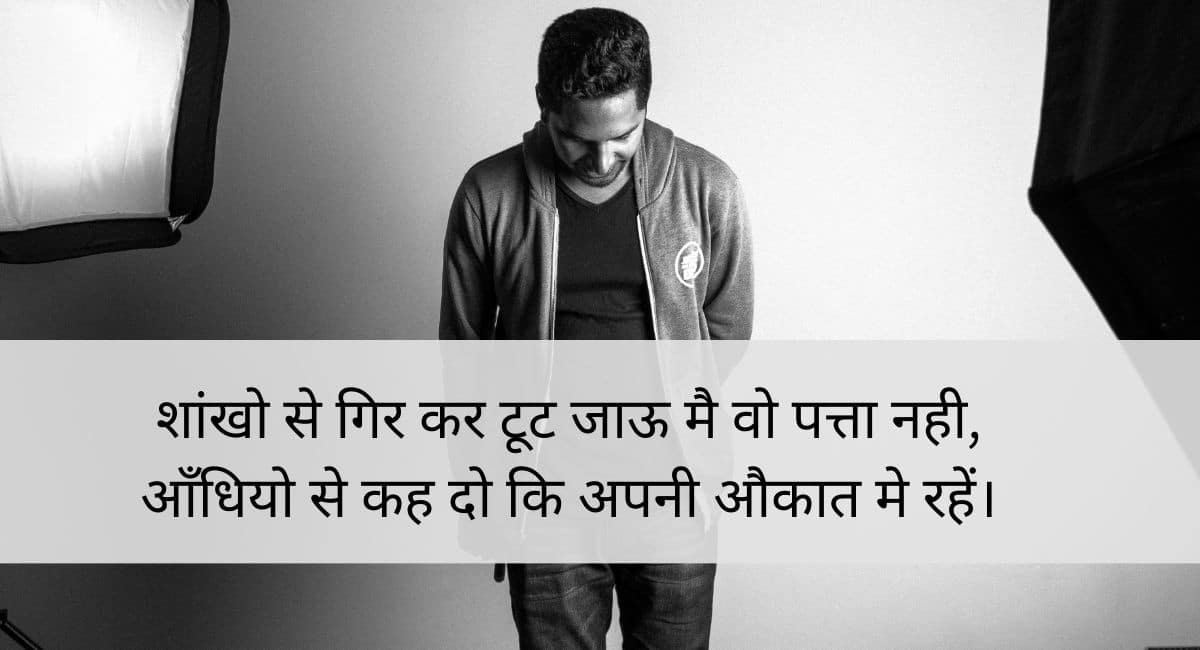
किसी को जलाने की एटीट्यूड शायरी represents a unique genre of Hindi poetry that channels raw anger, frustration, or betrayal into structured, rhythmic verse. Unlike traditional romantic or devotional shayari, this form uses sharp metaphors, intense imagery, and unapologetic language to express emotions that might otherwise remain unspoken. Rooted in the rich tradition of Urdu and Hindi poetic expression, it serves as both a personal catharsis and a cultural mirror reflecting societal tensions. In today’s fast-paced world, where suppressed emotions often lead to stress, this shayari offers a constructive outlet. किसी को जलाने की एटीट्यूड शायरी isn’t about promoting hostility—it’s about transforming pain into art, giving voice to the voiceless, and fostering emotional resilience. As Wikipedia notes, Hindi poetry has always evolved to capture contemporary human experiences, making this genre increasingly relevant.
What is किसी को जलाने की एटीट्यूड शायरी?
किसी को जलाने की एटीट्यूड शायरी literally translates to “attitude poetry to burn someone,” but its essence goes deeper. It’s a deliberate artistic choice to confront injustice, heartbreak, or disrespect through verse. This shayari often employs rhetorical devices like tashreef (ironic politeness) or safedposh (veiled threats) to amplify its message. Historically, poets like Faiz Ahmed Faiz used similar techniques to critique oppression, but modern iterations focus on personal relationships and social dynamics. The structure typically follows muktak (standalone couplets) or ghazal formats, with strict adherence to bahr (rhyme scheme) and qafiya (rhyme). What sets it apart is its unflinching tone—it doesn’t seek reconciliation but demands acknowledgment. For many, writing or sharing किसी को जलाने की एटीट्यूड शायरी becomes a therapeutic tool, turning passive resentment into active expression.
Why This Shayari Resonates: Key Benefits
The power of किसी को जलाने की एटीट्यूड शायरी lies in its ability to validate complex emotions. Here’s why it connects with millions:
- Emotional Catharsis: Transforming anger into poetry releases pent-up feelings, reducing anxiety and preventing destructive outbursts. Studies in expressive writing confirm this lowers cortisol levels.
- Cultural Relevance: In collectivist societies, direct confrontation is often discouraged. Shayari provides a socially acceptable medium to voice dissent.
- Empowerment: Crafting verses reclaims agency—turning vulnerability into strength. It shifts focus from “Why me?” to “I matter.”
- Community Building: Shared shayari creates solidarity among those with similar experiences, fostering online support networks.
- Artistic Growth: The constraints of meter and rhyme sharpen creative discipline, turning raw emotion into refined art.
As Britannica emphasizes, poetry’s universal role is to “give form to feeling,” and this genre excels at that mission. For deeper insights into poetic traditions, explore our resources.
Examples of किसी को जलाने की एटीट्यूड शायरी
Authentic किसी को जलाने की एटीट्यूड शायरी balances venom with elegance. Consider these illustrative couplets:
> “तुम्हारी चाप से जलता हूँ मैं, पर जलता नहीं डूबता,
> आग है मेरे अंदर, तुम बस एक छोटी सी चिड़िया हो।”
> (I burn under your pressure, but I don’t drown—
> My inner fire rages; you’re just a tiny bird.)
> “सच्चाई कहने का हक़ है मुझे, झूठ सुनने का नहीं,
> तुम्हारी छलावरण की आग में जलूँगा या जलाऊंगा।”
> (I have the right to speak truth, not hear lies—
> I’ll burn in your deceitful fire or ignite it myself.)
These examples showcase radif (repeating end-words) and husn-e-taqriz (artful sarcasm), hallmarks of the genre. Notice how anger is framed as transformative energy rather than destruction—a subtle distinction that elevates किसी को जलाने की एटीट्यूड शायरी beyond mere ranting.
How to Craft Your Own Powerful Shayari
Creating impactful किसी को जलाने की एटीट्यूड शायरी requires emotional honesty and technical skill. Follow these steps:
- Identify the Core Emotion: Is it betrayal, injustice, or unmet expectations? Write freely for 5 minutes without structure.
- Choose Your Form: Opt for muktak (2-line couplets) for brevity or ghazal (5+ couplets) for depth. Ensure consistent bahr (e.g., hazaj musaddas makhbun).
- Employ Poetic Devices: Use metaphors (e.g., “your words are knives”), alliteration (“चुप्पियाँ चारों ओर”), and irony to soften harshness.
- Refine the Message: Replace direct insults with symbolic language. Instead of “you’re cruel,” try “your shadow freezes the sun.”
- Test the Rhythm: Read aloud. Adjust words to maintain lazzat (musicality)—anger should feel controlled, not chaotic.
Remember, the goal isn’t to harm but to heal. As you write, focus on reclaiming your narrative. For structured guidance, visit here to access curated poetry frameworks.
Conclusion: Transform Anger into Art
किसी को जलाने की एटीट्यूड शायरी is more than viral social media content—it’s a timeless tool for emotional alchemy. By channeling fury into verse, we honor our feelings while transcending them. This genre reminds us that anger, when articulated with intention, can ignite change rather than destruction. Whether you’re a seasoned poet or a beginner, embracing this form fosters self-awareness and cultural dialogue. In a world quick to dismiss strong emotions, किसी को जलाने की एटीट्यूड शायरी validates that every feeling deserves expression. Start small: jot down one couplet today. Your words hold power—wield them wisely. To continue your poetic journey, learn more on our site.