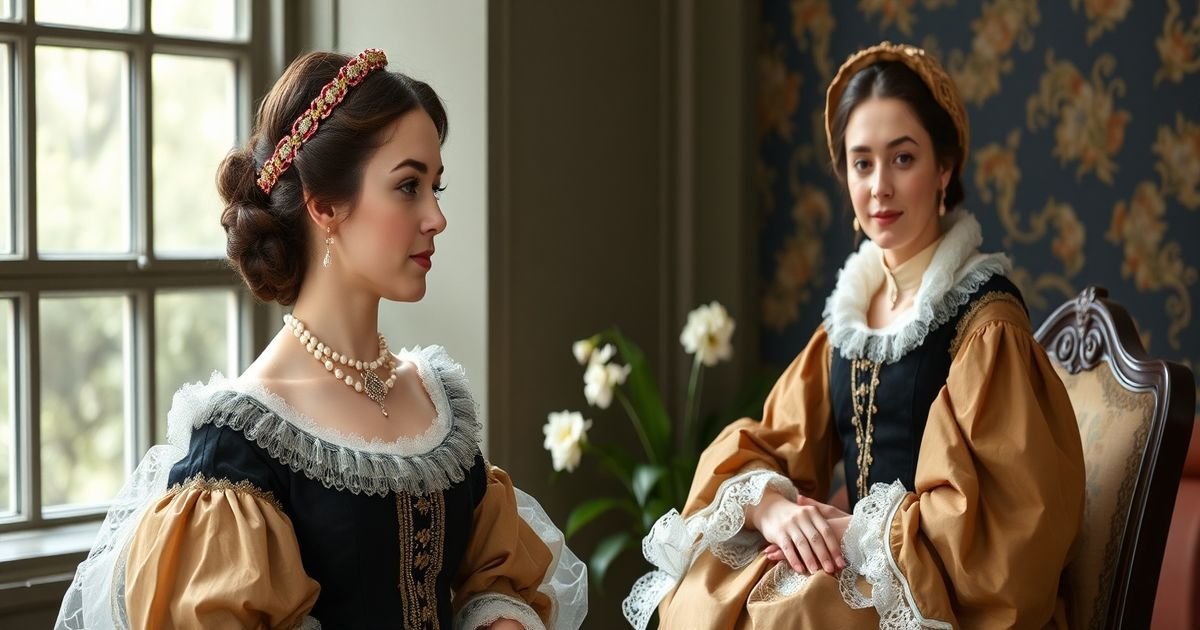
Elizabeth Mary Wilhelmina Bentinck (1780–1851) remains a captivating figure in British aristocratic history, embodying the intricate social and political dynamics of the Regency era. As the daughter of William Bentinck, 2nd Duke of Portland, and Lady Dorothy Cavendish, she was born into one of England’s most influential families. Her life intersected with key historical moments, from the Napoleonic Wars to the early Victorian period, offering a window into the privileges and responsibilities of high society. While not as publicly documented as some contemporaries, Elizabeth Mary Wilhelmina Bentinck played a subtle yet significant role in shaping familial alliances and cultural patronage. This article delves into her background, marriage, societal contributions, and lasting legacy, highlighting why her story resonates with historians and enthusiasts alike. For deeper insights into Regency-era aristocracy, explore our resources.
Early Life and Family Heritage
Born into the esteemed Bentinck lineage, Elizabeth Mary Wilhelmina Bentinck was immersed in privilege from infancy. Her father, the 2nd Duke of Portland, served as Prime Minister twice, while her mother hailed from the Cavendish family—another pillar of British nobility. This dual heritage positioned Elizabeth within elite circles, where education and social graces were paramount. She grew up at Bulstrode Park, the family’s Buckinghamshire estate, surrounded by political luminaries and cultural icons. Her upbringing emphasized classical literature, music, and diplomacy, skills essential for navigating the rigid hierarchies of the time. According to Wikipedia, the Bentincks were central to Whig politics, influencing Elizabeth’s worldview. Despite limited personal records, her early years reflect the structured upbringing typical of aristocratic women, preparing her for a life of strategic alliances. This foundation would later define her contributions to society.
Marriage and Family Life
In 1805, Elizabeth married Henry Temple, 2nd Viscount Palmerston, a union that merged two powerful dynasties. This marriage was not merely social but politically strategic, strengthening ties between the Bentincks and the Temples—a family later renowned for its role in British foreign policy. Together, they had three children, including Henry John Temple, 3rd Viscount Palmerston, who became Prime Minister. Elizabeth managed their London residence and country estates with notable efficiency, hosting salons that attracted intellectuals and politicians. Her role extended beyond domesticity; she advised her husband on social networks crucial for his career. Key aspects of her married life included:
- Hosting influential gatherings that facilitated political discussions.
- Overseeing estate management across multiple properties.
- Mentoring her children in aristocratic traditions and civic duty.
This period underscored her ability to balance personal life with public expectations, a skill vital for women in her position. For more on Regency-era social structures, visit here.
Role in Regency Society
Elizabeth Mary Wilhelmina Bentinck’s influence permeated Regency society through cultural patronage and discreet diplomacy. She championed charitable causes, particularly those supporting women’s education and rural communities near Bentinck estates. Her salons in London became hubs for discussing literature and politics, fostering connections that aided her family’s standing. Unlike many women of her time, she leveraged her position to advocate for incremental social reforms, though always within acceptable aristocratic boundaries. Her contributions included:
- Funding schools for underprivileged girls in Buckinghamshire.
- Promoting agricultural improvements on family lands.
- Mediating disputes among peerage families to maintain social harmony.
These efforts, though less documented than her husband’s political career, were instrumental in sustaining the Bentinck legacy. As noted by Britannica, the family’s cohesion relied on such behind-the-scenes stewardship.
Legacy and Historical Significance
Though Elizabeth Mary Wilhelmina Bentinck avoided the spotlight, her legacy endures through her descendants and societal impact. Her son, Henry John Temple, credited her with instilling values of public service that guided his tenure as Prime Minister. Historians recognize her as a exemplar of Regency-era femininity—graceful yet strategically astute. Her life illustrates how aristocratic women navigated limited agency to shape Britain’s cultural and political landscape. Key takeaways from her legacy include:
- Diplomatic acumen in managing family alliances during turbulent times.
- Quiet philanthropy that addressed societal gaps without seeking recognition.
- Cultural preservation through patronage of arts and education.
Today, her story offers lessons on resilience and influence beyond formal power structures. For those intrigued by untold histories of women in nobility, further exploration is invaluable.
Elizabeth Mary Wilhelmina Bentinck’s life, though anchored in the 19th century, remains relevant for understanding the interplay of gender, class, and power. Her ability to wield influence within societal constraints exemplifies the often-overlooked contributions of women in history. As we reflect on her era, her legacy reminds us that impact can be profound even without public acclaim. To uncover more stories of historical figures, check out our website.