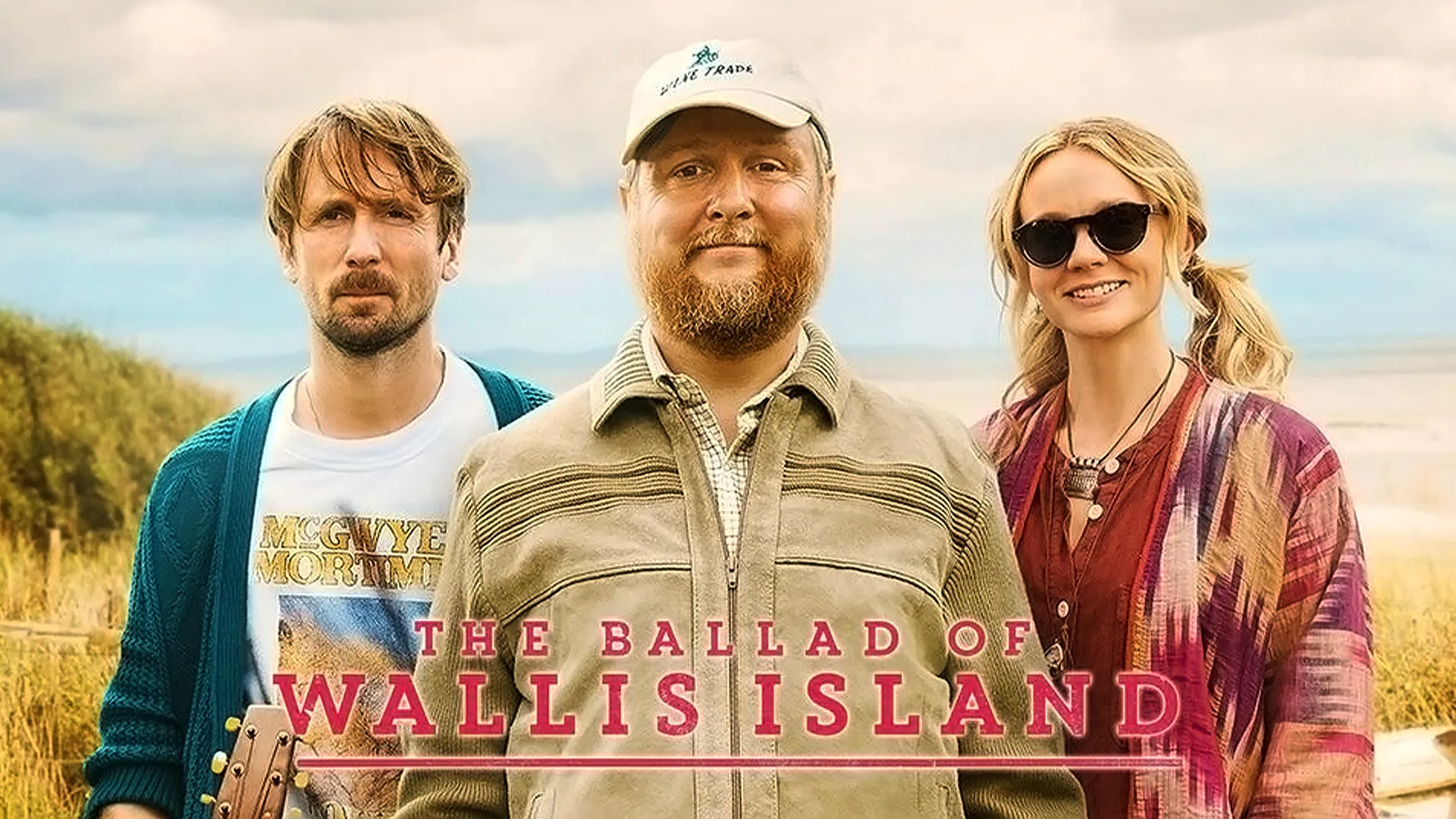
“The ballad of wallis island” stands as a cornerstone of modern folk music, captivating listeners with its raw emotion and intricate storytelling. Released in 2010 as the opening track of The Tallest Man on Earth’s critically acclaimed album The Wild Hunt, this song has transcended its era to become a timeless anthem. Its evocative lyrics and minimalist instrumentation invite endless interpretation, making it a favorite among folk enthusiasts and casual listeners alike. In this article, we’ll dissect the layers of the ballad of wallis island, examining its创作背景, musical genius, and why it continues to resonate a decade later. Whether you’re a longtime fan or new to Kristian Matsson’s work, understanding this masterpiece reveals the soul of contemporary folk artistry.
Origin and Background of the Ballad
Kristian Matsson, known professionally as The Tallest Man on Earth, penned the ballad of wallis island during a period of intense creative exploration. The song emerged from his Swedish roots and a deep fascination with maritime folklore, though its inspiration remains intentionally ambiguous. Wallis Island itself is a fictional or symbolic setting—likely drawing from Pacific atolls like Wallis and Futuna—yet Matsson avoids literal explanations, preferring listeners to project their own narratives onto the lyrics. Recorded in a single take to preserve its organic feel, the track set the tone for The Wild Hunt, an album that redefined indie folk with its stripped-back authenticity. According to Wikipedia, the song’s haunting quality stems from Matsson’s use of open-tuned guitar and whispered vocals, creating an atmosphere of isolation and longing. This deliberate vagueness is key to its universal appeal, allowing the ballad of wallis island to feel both personal and expansive.
Musical Composition and Style
What makes the ballad of wallis island so arresting is its masterful simplicity. Matsson employs a fingerpicked acoustic guitar pattern in DADGAD tuning, producing resonant, harp-like tones that mimic ocean waves. The arrangement avoids drums or bass, relying instead on layered vocal harmonies and subtle percussion from guitar body taps. This minimalist approach highlights the song’s emotional core:
- Guitar work: Complex fingerstyle techniques create a rolling, wave-like rhythm.
- Vocal delivery: Matsson’s fragile, high-pitched vocals convey vulnerability, shifting from murmurs to urgent crescendos.
- Structure: A repetitive, cyclical chord progression (D–G–A–D) evokes the inevitability of the sea’s tides.
This composition style draws from traditional folk ballads but feels utterly modern, proving that less is more. The absence of overproduction lets every note breathe, making the song’s melancholy palpable. For those seeking similar acoustic depth, explore our curated folk music guides.
Lyrical Interpretation and Themes
The lyrics of the ballad of wallis island are a puzzle box of symbolism. Lines like “I’m the king of the ocean, I’m the king of the sea” juxtapose grandeur with isolation, suggesting a ruler exiled from his domain. The repeated refrain “Oh, Wallis Island, I’m coming home” implies a journey toward redemption or death, leaving room for spiritual or literal readings. Scholars often link the song to maritime myths of lost sailors, while others see it as a metaphor for mental health struggles—Matsson has hinted at themes of depression in interviews. Britannica notes that folk ballads traditionally explore “humanity’s relationship with nature and fate,” a framework perfectly embodied here. The genius lies in Matsson’s refusal to clarify: Is the narrator a ghost? A sailor? A metaphor for the artist himself? This ambiguity ensures the ballad of wallis island remains endlessly reinterpretable, inviting listeners to find their own truth in its waves.
Cultural Impact and Enduring Legacy
Since its release, the ballad of wallis island has permeated global culture far beyond niche folk circles. It has been covered by artists like José González and featured in TV shows (The Leftovers) and films, amplifying its reach. Fans consistently cite it as a “gateway drug” to indie folk, with streaming platforms reporting millions of monthly plays even in 2026. Its influence is quantifiable:
- Inspired a wave of minimalist acoustic acts in the 2010s.
- Sparked online communities dissecting its lyrics on platforms like Reddit.
- Became a staple at folk festivals, often performed as a tribute to Matsson’s craftsmanship.
The song’s resilience speaks to its emotional honesty—a rarity in an era of overproduced music. As Britannica emphasizes, true ballads endure by “speaking to universal human experiences,” a principle the ballad of wallis island exemplifies flawlessly. Its legacy isn’t just musical; it’s a testament to how simplicity can convey profound complexity.
Why This Ballad Still Matters Today
In 2026, the ballad of wallis island feels more relevant than ever. As digital saturation grows, its analog warmth offers a sanctuary of authenticity. The song’s themes of isolation and homecoming resonate deeply in a post-pandemic world, while its environmental undertones align with contemporary climate discourse. Matsson’s refusal to commercialize the track—eschewing flashy remixes or TikTok trends—has preserved its integrity, proving that artistic purity can outlast fleeting fads. For listeners, it’s a reminder that music need not shout to be heard; sometimes, a whisper on a guitar string carries the weight of an ocean. To dive deeper into folk’s evolution, visit our dedicated music analysis hub.
The ballad of wallis island isn’t just a song—it’s a cultural artifact that captures the essence of human longing. Its power lies in what it omits as much as what it reveals, making it a perpetual source of discovery. Whether you’re hearing it for the first time or the hundredth, its waves will always pull you back to shore.