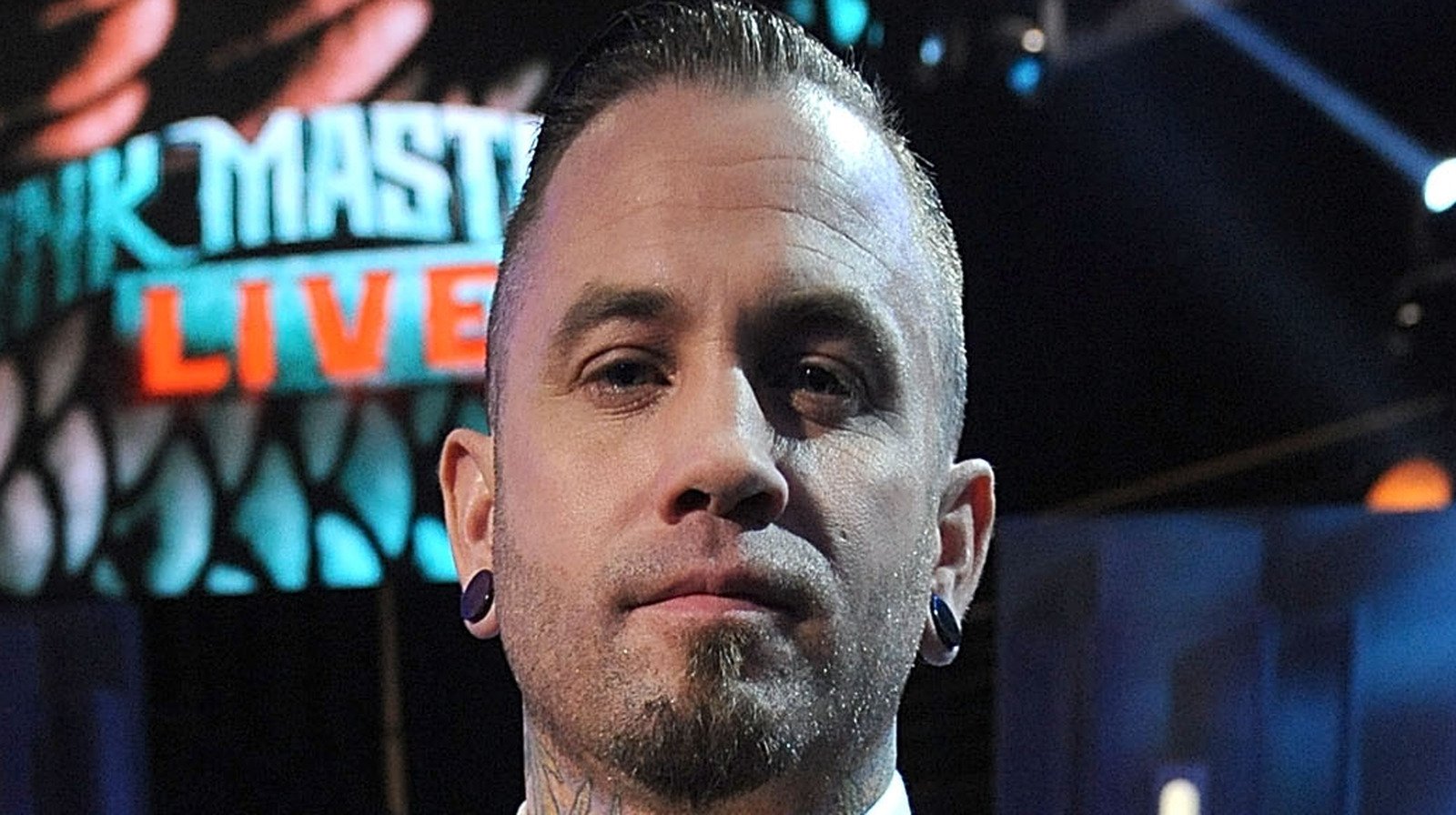
The tattoo and reality TV communities are reeling from the devastating news that an ink master judge dies, leaving an irreplaceable void in both industries. This profound loss has sparked an outpouring of grief from fans, fellow artists, and celebrities worldwide. As a cornerstone of the long-running competition series Ink Master, the judge’s expertise, mentorship, and uncompromising standards shaped generations of tattoo artists. Their passing not only marks the end of an era for the show but also underscores the deep cultural impact of tattoo artistry as a respected craft. In this article, we honor their life, dissect their contributions, and reflect on how their legacy will continue to inspire future creators. The phrase ink master judge dies resonates far beyond television—it symbolizes the fragility of artistic leadership in a rapidly evolving creative landscape.
The Legacy of a Tattoo Titan
For over a decade, this judge served as a guiding force on Ink Master, evaluating thousands of tattoos across diverse styles—from traditional Americana to avant-garde realism. Their career spanned decades, beginning in the gritty tattoo parlors of the 1980s before rising to mainstream prominence. Known for their meticulous eye and constructive critiques, they transformed the show into a global platform for tattoo excellence. According to Wikipedia), Ink Master has crowned 14 winners since 2011, each mentored under this judge’s exacting standards. Their influence extended beyond the screen, advocating for tattoo safety regulations and artistic legitimacy in an industry once marginalized. The ink master judge dies at a time when tattoo culture is more celebrated than ever, making their absence deeply felt. Colleagues recall their dedication to nurturing raw talent, often spending hours post-filming to advise contestants. This commitment cemented their status not just as a TV personality, but as a pillar of the tattoo community.
Fan Reactions and Industry Mourns
Social media erupted within hours of the announcement, with hashtags like #InkMasterFamily and #ThankYouJudge trending globally. Fans shared personal stories of how the judge’s critiques inspired their own artistic journeys, while tattoo studios worldwide held candlelight vigils. Fellow Ink Master judges and alumni expressed profound sorrow, with one winner noting, “They saw potential in me when no one else did.” The entertainment industry also paid respects, highlighting how the judge bridged niche artistry and mainstream media. Notably, their passing has reignited conversations about mental health in high-pressure creative fields—a cause they quietly championed. For deeper insights into the show’s cultural footprint, explore our resources. The ink master judge dies amid calls for greater support systems for artists, reminding us that even icons face unseen struggles. This collective grief underscores how deeply intertwined the judge’s identity was with the show’s soul.
Key Contributions That Defined an Era
- Mentorship Revolution: Pioneered a teaching style that balanced technical rigor with emotional support, helping contestants overcome creative blocks.
- Style Innovation: Championed underrepresented techniques like Japanese irezumi and blackwork, pushing the show’s artistic boundaries.
- Industry Advocacy: Lobbied for tattoo licensing reforms, emphasizing hygiene and artist welfare long before it became mainstream discourse.
- Cultural Shift: Demystified tattooing for millions of viewers, transforming public perception from “rebellious” to “respectable art form.”
The Future of Ink Master and Tattoo Artistry
With the ink master judge dies, questions arise about Ink Master’s direction. The show’s producers have confirmed a tribute episode honoring their legacy, but long-term replacements remain uncertain. Industry insiders suggest the void may be filled by rotating guest judges—a move reflecting the judge’s own belief in collective expertise over singular authority. Meanwhile, tattoo studios are establishing scholarships in their name, ensuring emerging artists receive the guidance they once provided. This transition period highlights a broader truth: true artistry transcends individual figures. As one fan poignantly stated, “They didn’t just judge tattoos; they judged with heart.” For ongoing coverage of how the industry adapts, visit here. The ink master judge dies, but their philosophy—that tattoos tell stories deeper than skin—will endure. Future seasons may evolve, yet the core mission remains: celebrating tattooing as a living, breathing art.
A Lasting Impact Beyond the Canvas
The judge’s influence extended far beyond competition trophies. They authored two bestselling books on tattoo history, curated museum exhibitions, and partnered with organizations like the Centers for Disease Control to promote safe tattooing practices globally. Their death has spurred initiatives to archive their vast collection of tattoo art, preserving techniques at risk of being lost. In classrooms and studios, instructors now emphasize their mantra: “Every line tells a story; make it count.” This ethos has inspired a new wave of artists who view tattooing as both craft and catharsis. As the ink master judge dies, their legacy reminds us that art’s greatest power lies in its ability to connect, heal, and endure. The tattoo community’s resilience in this loss proves that while individuals pass, the art they nurtured lives on—one needle stroke at a time.