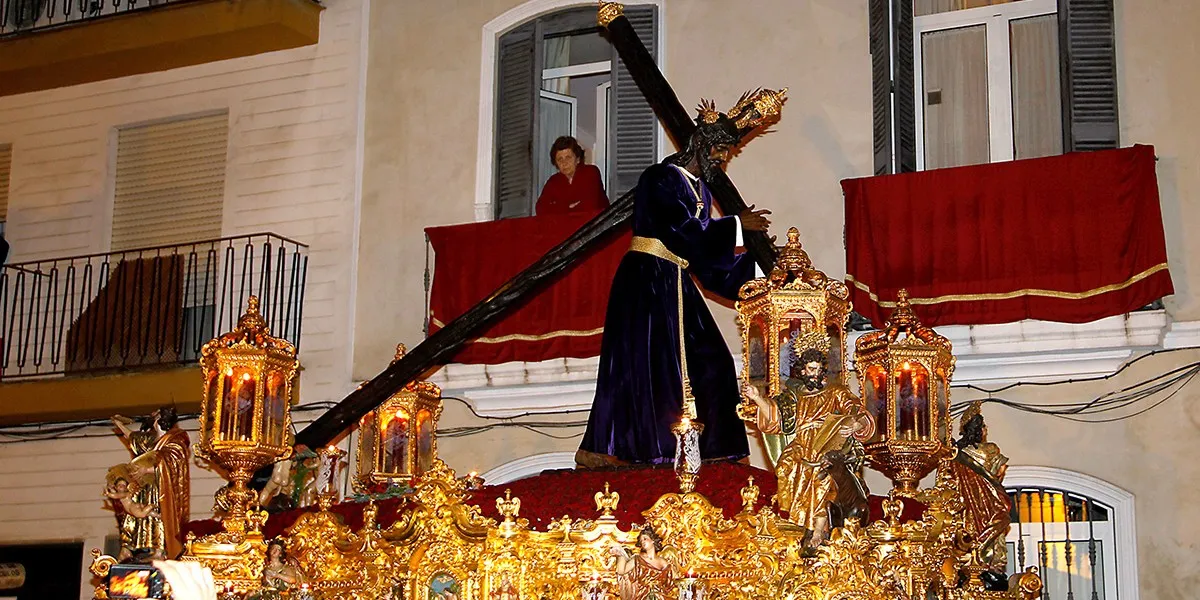
Semana Santa 2025, also known as Holy Week, represents one of the most significant and deeply moving periods in the Christian liturgical calendar, particularly celebrated with extraordinary fervor across Spain, Latin America, and many Catholic communities worldwide. This solemn eight-day observance, beginning on Palm Sunday and culminating in Easter Sunday, commemorates the Passion, Death, and Resurrection of Jesus Christ. For 2025, Semana Santa 2025 falls between Sunday, April 13th (Palm Sunday) and Sunday, April 20th (Easter Sunday). Understanding the dates and traditions of Semana Santa 2025 is crucial for believers seeking spiritual reflection and travelers hoping to witness its unique cultural expressions. This period is far more than just a holiday; it’s a profound spiritual journey marked by prayer, penance, and community participation, offering a powerful connection to centuries-old faith practices. As we approach Semana Santa 2025, preparation and understanding deepen the experience.
Understanding the Significance of Semana Santa
Semana Santa holds immense theological weight within Christianity. It reenacts the final days of Jesus’ earthly life, from his triumphant entry into Jerusalem on Palm Sunday, through the Last Supper and institution of the Eucharist on Holy Thursday, his crucifixion and death on Good Friday, and finally, the joyful celebration of the Resurrection on Easter Sunday. Each day carries specific meaning: Palm Sunday recalls Jesus’ arrival in Jerusalem; Holy Thursday focuses on the Last Supper and the washing of the disciples’ feet; Good Friday is a day of solemn mourning and veneration of the Cross; and Holy Saturday anticipates the Resurrection. The core purpose is spiritual renewal, encouraging participants to reflect on sacrifice, forgiveness, and the hope of eternal life. For millions, Semana Santa 2025 is not merely a historical recounting but a lived experience of faith, demanding introspection and communal solidarity. Its observance varies significantly by region, blending universal Christian doctrine with deep-rooted local customs and artistic expressions, making each location’s celebration unique. According to Wikipedia, the scale and intensity of observances, especially in Spain, are unparalleled globally.
Key Dates and Observances for Semana Santa 2025
Marking your calendar accurately is essential for engaging with Semana Santa 2025. The dates are determined by the lunar calendar, specifically the first Sunday after the first full moon following the spring equinox. For 2025, the key dates are:
- Palm Sunday (Domingo de Ramos): April 13th – Celebrates Jesus’ entry into Jerusalem; processions feature blessed palm fronds and olive branches.
- Holy Monday, Tuesday, Wednesday (Lunes, Martes, Miércoles Santo): April 14th-16th – Days of increasing solemnity, often marked by special church services and, in many regions, the start of processions.
- Holy Thursday (Jueves Santo): April 17th – Commemorates the Last Supper; includes the Mass of the Lord’s Supper and, in some places, the washing of feet. Many processions depicting the Last Supper occur.
Good Friday (Viernes Santo): April 18th – The most solemn day, commemorating the Crucifixion. Elaborate processions featuring the pasos (floats) of Christ and the Virgin Mary are central, often accompanied by nazarenos (penitents in robes) and cucuruchos* (penitents with pointed hats). Expect profound silence and mourning.
- Holy Saturday (Sábado de Gloria or Sábado Santo): April 19th – A day of quiet waiting and anticipation of the Resurrection; the Easter Vigil typically occurs after nightfall.
- Easter Sunday (Domingo de Resurrección or Pascua): April 20th – Joyful celebration of the Resurrection with festive masses, bells ringing, and communal meals.
Planning ahead for Semana Santa 2025 ensures you don’t miss these pivotal moments, especially if traveling to witness major processions.
Iconic Traditions and Processions
The visual and emotional heart of Semana Santa 2025, particularly in Spain, lies in its magnificent processions. These are not mere parades but deeply religious acts of devotion, often organized by local brotherhoods (cofradías or hermandades) who invest immense effort year-round. Key elements include:
- **The Pasos:** Ornate, heavy floats bearing statues (pasos) depicting scenes from the Passion. These are carried on the shoulders of costaleros through crowded streets, a physically demanding act of penance and honor. The artistry of these sculptures is often centuries old.
- **The Nazarenos and Cucuruchos:** Penitents dressed in distinctive robes. Nazarenos typically wear long robes and conical hats (capirotes), often in purple or black, signifying penance. Cucuruchos (primarily in northern Spain) wear pointed hats, historically associated with penitents forced to wear them during the Inquisition.
- **The Saetas:** Spontaneous, deeply emotional flamenco-inspired songs sung from balconies to the passing pasos, expressing sorrow, devotion, or praise. These add a uniquely Andalusian layer to the atmosphere.
- Silence and Solemnity: Especially on Good Friday, processions move in near-total silence, broken only by drumbeats or the saetas, creating an intensely moving and reflective environment. The scale in cities like Seville, Valladolid, or Malaga is breathtaking. For insights into cultural events like these, explore our resources.
Planning Your Experience for Semana Santa 2025
Whether participating spiritually or observing culturally, thoughtful planning enhances your Semana Santa 2025 experience:
- Research Locations: Decide where you want to experience it. Spain offers the most famous processions (Seville, Valladolid, Malaga, Zamora), but Latin America (e.g., Guatemala, Colombia, Mexico) and the Philippines also have vibrant, unique traditions. Each has distinct styles and intensities.
- Book Accommodation Early: Demand skyrockets during Semana Santa. Secure lodging months in advance, especially in smaller towns known for processions.
- Check Local Schedules: Procession times and routes vary daily and by neighborhood. Obtain detailed local schedules from tourist offices or official brotherhood websites well ahead of time. Don’t rely solely on general guides.
- Respect Local Customs: Dress modestly when attending processions or visiting churches. Maintain silence during solemn moments, especially on Good Friday. Follow instructions from authorities regarding barriers and movement.
- Embrace the Spirit: Whether observing or participating, approach Semana Santa 2025 with respect for its profound religious significance. It’s a time for reflection, community, and witnessing deep cultural heritage. Understanding the symbolism behind the rituals enriches the experience immensely. For further context on religious observances, refer to Britannica.
Experiencing Semana Santa 2025 offers a unique window into the intersection of deep faith, centuries-old artistry, and vibrant community life. From the joyful palms of Sunday to the triumphant alleluias of Easter, it’s a journey through the core narrative of Christianity, expressed with unparalleled cultural richness. As you prepare for Semana Santa 2025, remember it’s more than dates on a calendar; it’s an invitation to witness profound devotion and human expression. For ongoing coverage of cultural and religious events, visit here. May your observance or exploration of Semana Santa 2025 be meaningful and memorable.