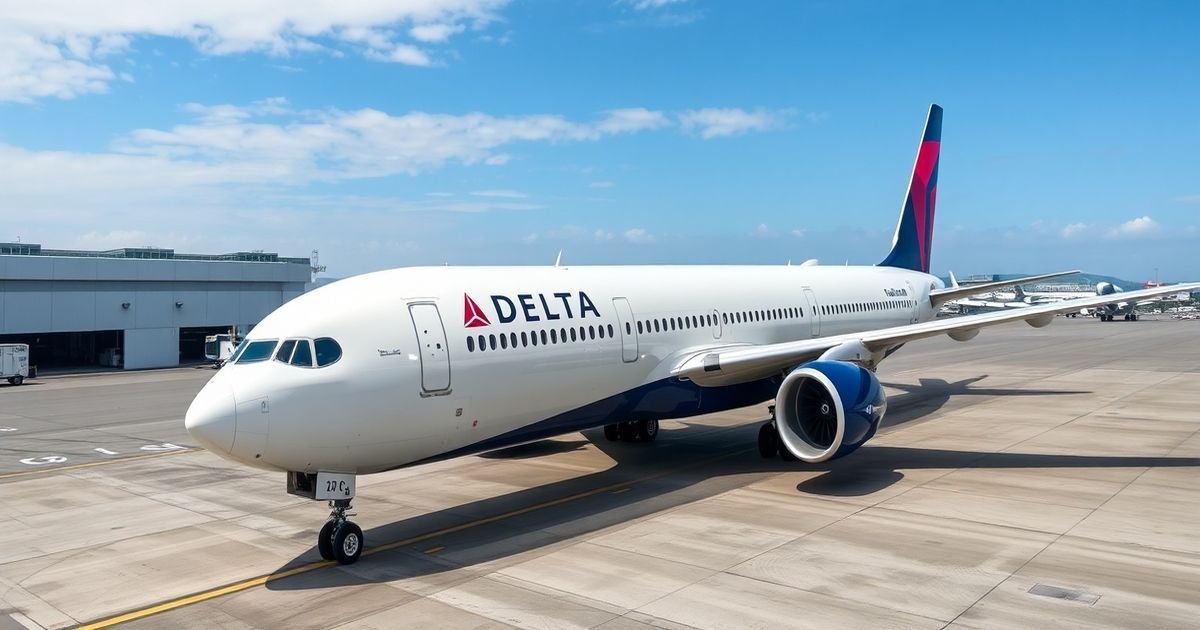
The aviation world witnessed a dramatic event involving delta flight dl275 japan diversion lax that underscored the unpredictable challenges of long-haul travel. On a routine journey from Tokyo Narita (NRT) to Detroit (DTW), Delta Air Lines Flight DL275 encountered severe, unexpected turbulence over the Pacific Ocean, forcing an emergency diversion to Los Angeles International Airport (LAX). This incident, occurring in late 2023, captured significant attention due to the intensity of the turbulence, the number of injuries reported, and the critical decision-making involved in diverting a wide-body aircraft across the ocean. Understanding what transpired with delta flight dl275 japan diversion lax provides crucial insights into modern aviation safety protocols, crew training, and the inherent risks of transoceanic flights. For passengers planning future travel, especially on routes crossing the Pacific, this event serves as a stark reminder of why safety procedures are paramount. It also highlights the complex coordination required between pilots, air traffic control, and emergency services when an unexpected diversion becomes necessary far from the intended destination.
What Happened with Delta Flight DL275: The Japan Diversion to LAX
On December 12, 2023, Delta Air Lines Flight DL275, operated by a Boeing 777-200ER (registration N858DN), departed Tokyo Narita International Airport (NRT) bound for Detroit Metropolitan Wayne County Airport (DTW) with 215 passengers and 15 crew members on board. Approximately 90 minutes into the flight, while cruising at 36,000 feet over the Pacific Ocean, the aircraft entered an area of severe clear-air turbulence (CAT). Unlike turbulence caused by visible storm clouds, CAT occurs unexpectedly in seemingly clear skies, making it extremely difficult to detect and avoid with current technology. The sudden and violent jolt was severe enough to cause multiple passengers and crew members to be thrown from their seats, resulting in significant injuries, including fractures and head trauma. The cockpit crew, following strict emergency protocols, immediately initiated a descent to a lower, smoother altitude and declared an emergency with air traffic control. After assessing the situation, including the extent of injuries, fuel status, and available diversion airports, the decision was made to divert to Los Angeles (LAX), the closest major suitable airport with comprehensive medical facilities capable of handling the influx of injured individuals. This delta flight dl275 japan diversion lax was executed flawlessly under immense pressure, showcasing the critical importance of pilot training and real-time decision-making. The aircraft landed safely at LAX approximately 2 hours and 15 minutes after the turbulence event, where emergency medical teams were already on standby. According to the Federal Aviation Administration (FAA), clear-air turbulence is a leading cause of in-flight injuries, emphasizing the need for constant vigilance and adherence to seatbelt policies.
Key facts about the incident include:
- Cause: Severe clear-air turbulence encountered unexpectedly at cruising altitude.
- Injuries: At least 15 passengers and crew members sustained injuries requiring medical attention; several were transported to local hospitals.
- Diversion Decision: Made based on proximity, medical facility availability, and runway length; LAX was the optimal choice.
- Aircraft: Boeing 777-200ER, a long-haul wide-body jet designed for transoceanic routes.
- Aftermath: The aircraft underwent thorough maintenance checks before returning to service; Delta provided support to affected passengers.
This event starkly illustrates why the delta flight dl275 japan diversion lax scenario is studied extensively within the aviation industry. It wasn’t a mechanical failure or a security threat, but a natural atmospheric phenomenon that modern technology still struggles to predict with perfect accuracy. The crew’s ability to manage the emergency, prioritize passenger safety, and execute a complex oceanic diversion remains a textbook example of effective crisis management. For deeper insights into aviation safety protocols, explore our resources on how airlines prepare for such events.
Causes, Response, and the Critical Role of Crew Training
The primary catalyst for the delta flight dl275 japan diversion lax was severe clear-air turbulence (CAT). CAT occurs when there are significant wind speed or direction changes at high altitudes, often near the jet stream, without any visual warning like clouds. Pilots rely on reports from other aircraft (PIREPs), weather data from dispatchers, and onboard radar (though radar primarily detects moisture, not dry turbulence) to anticipate potential trouble zones. In this case, the turbulence was apparently more intense and localized than forecasted or reported, striking with little warning. This unpredictability is a major challenge for flight planners. Once the emergency occurred, the flight crew’s immediate response was critical. They secured the cockpit, initiated an emergency descent to a lower altitude (typically below 28,000 feet where turbulence is often less severe), turned on the fasten seatbelt sign, and communicated the situation to air traffic control (ATC). Declaring an emergency (“Pan-Pan” or “Mayday”) immediately prioritizes the aircraft, granting it clearance for immediate descent and routing to the nearest suitable airport without normal procedural delays. The decision to divert to LAX, rather than attempting to continue to DTW or return to NRT, was a complex calculation involving remaining fuel, the medical needs of passengers, the distance to viable airports, and the capabilities of those airports’ emergency services. LAX, being a major international hub with extensive medical infrastructure just a few hours away, was the clear choice. This incident highlights the immense responsibility placed on flight crews and the sophisticated training they undergo, including recurrent simulator sessions specifically for emergency diversions and managing medical emergencies in flight. The effectiveness of this training was evident in the successful outcome. Understanding these procedures is vital; learn more on our site about how airlines simulate such high-stress scenarios.
Passenger Impact and Airline Responsibilities Following the Diversion
The human impact of the delta flight dl275 japan diversion lax was significant. Passengers experienced a terrifying ordeal, with sudden drops in altitude causing unsecured individuals to collide with the cabin ceiling or overhead bins. The immediate aftermath involved chaos, pain, and anxiety as crew members worked to assist the injured and calm other passengers while managing the diversion. Upon landing at LAX, the priority shifted to medical triage and care. Emergency medical services (EMS) met the aircraft on the tarmac, rapidly assessing and transporting the most seriously injured to nearby trauma centers. Passengers faced extended delays, uncertainty about when they would reach their final destination (Detroit), and the psychological stress of the event. Delta Air Lines activated its emergency response team, providing hotel accommodations, meal vouchers, rebooking assistance, and dedicated support staff to help passengers navigate the disruption. The airline also launched an internal investigation alongside reports to the National Transportation Safety Board (NTSB). Passengers affected by such diversions are generally entitled to care and assistance under regulations like the Montreal Convention, though compensation for distress varies. This incident reinforced the importance of passengers heeding the “fasten seatbelt” sign at all times while seated, as the majority of turbulence-related injuries occur when individuals are not belted. Airlines have a duty of care to ensure passenger safety and provide necessary support during unforeseen disruptions, a responsibility Delta largely fulfilled in this case, though the emotional toll on travelers remains a critical aspect of such events.
Aviation Safety Improvements and Lessons Learned from DL275
The delta flight dl275 japan diversion lax incident served as a catalyst for renewed focus on mitigating turbulence risks, particularly clear-air turbulence which remains notoriously difficult to predict. In the months following the event, the aviation industry, including airlines, manufacturers, and meteorological agencies, intensified efforts in several key areas:
- Enhanced Turbulence Forecasting: Investment in more sophisticated weather modeling and data assimilation techniques, leveraging real-time data from aircraft sensors (like the FAA’s Turbulence Auto-PIREP System – TAPS) and satellite observations to create higher-resolution turbulence forecasts.
- Improved Detection Technology: Accelerated research and development into forward-looking infrared (FLIR) and LIDAR systems designed to detect turbulent air masses ahead of the aircraft, providing pilots with crucial extra minutes to prepare or alter course.
- Crew Training Refinements: Updates to recurrent training programs emphasizing recognition of subtle cues for potential CAT, refined decision-making protocols for diversions over remote oceanic areas, and enhanced crew resource management (CRM) during high-stress medical emergencies.
- Passenger Communication: Airlines reinforcing the critical importance of keeping seatbelts fastened whenever seated through more frequent and varied safety briefings and in-flight announcements, moving beyond just regulatory compliance to genuine safety culture.
Regulatory bodies like the International Civil Aviation Organization (ICAO) continue to work on global standards for turbulence reporting and avoidance. While eliminating turbulence entirely is impossible, the goal is to significantly reduce the occurrence of unexpected, severe encounters through better prediction, detection, and proactive avoidance strategies. The lessons from DL275 underscore that safety is an ongoing process of learning, adapting, and investing in technology and training. Passengers can contribute by always wearing their seatbelt securely while seated – it remains the single most effective action to prevent injury during unexpected turbulence.
Conclusion: Safety First in the Skies
The delta flight dl275 japan diversion lax incident stands as a powerful testament to the unpredictable nature of aviation and the critical importance of robust safety systems, highly trained crews, and effective emergency response protocols. While the severe turbulence caused significant disruption and injury, the successful diversion to LAX and the subsequent handling of the situation prevented a far worse outcome. This event highlighted both the vulnerabilities inherent in long-haul oceanic flights and the remarkable capability of the aviation industry to manage crises when they arise. It reinforced fundamental passenger safety practices, particularly the non-negotiable need to keep seatbelts fastened whenever seated. For the industry, it spurred valuable advancements in turbulence prediction, detection technology, and crew training methodologies, contributing to a safer flying experience for everyone. As air travel continues to evolve, incidents like DL275 serve as crucial learning opportunities, driving continuous improvement in safety standards worldwide. Whether you’re a frequent flyer or planning your next journey, understanding these dynamics empowers you to travel with greater awareness. Stay informed about aviation safety developments and travel tips by checking out our website regularly. Safe travels!